Operational data model
Customers, vendors, items, SKUs, orders, POs, shipments, invoices, bins, packages, tasks, and documents live in one operating model.
ORCA connects the work that usually gets split across WMS screens, order tools, native apps, print stations, spreadsheets, shipping portals, accounting systems, custom scripts, reports, and support tickets.
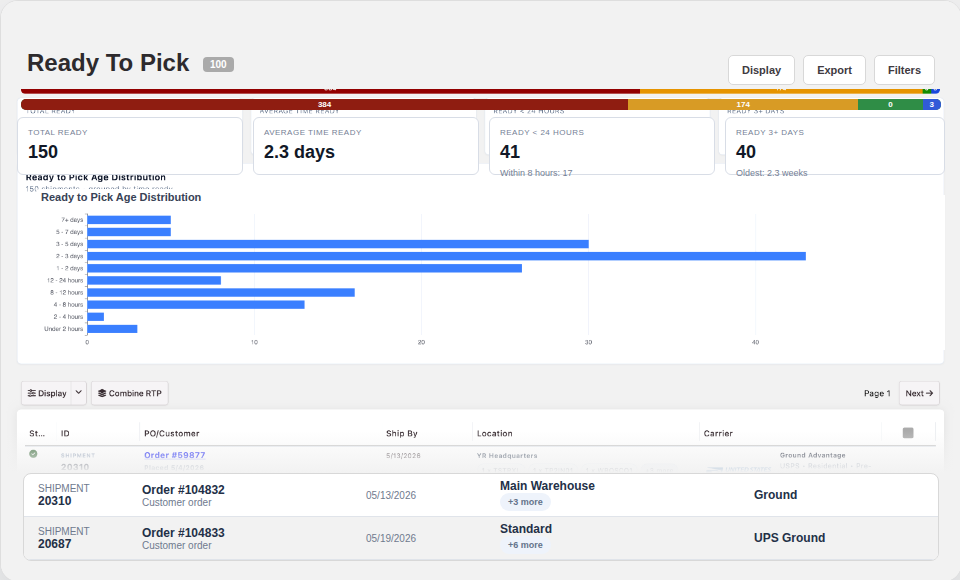
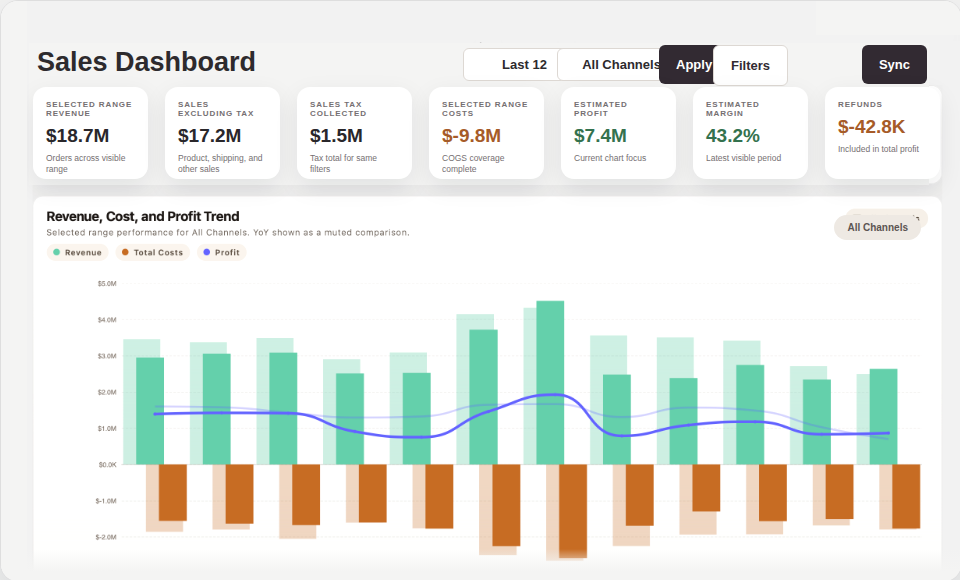
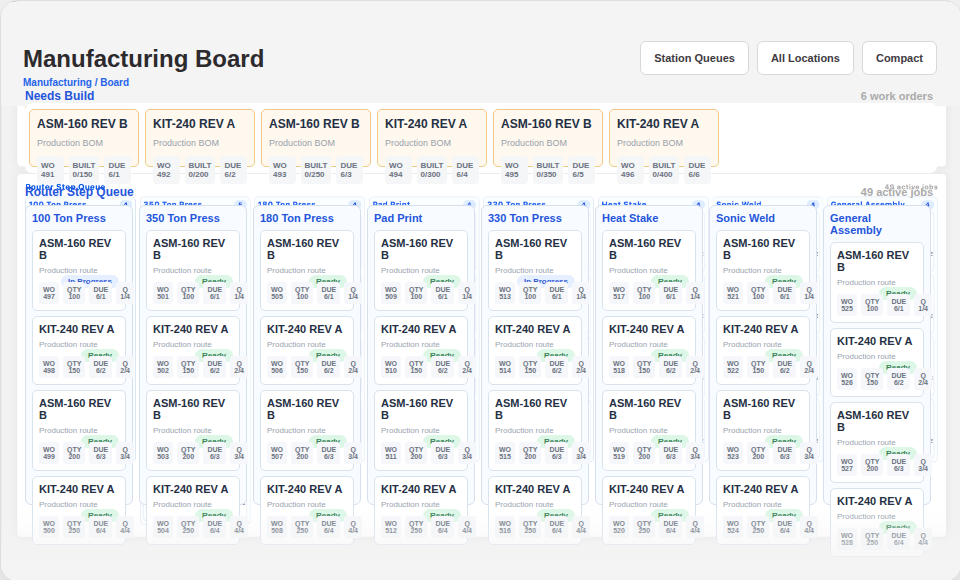
ORCA works because the important business objects are connected. Orders, inventory, shipments, packages, purchase orders, invoices, payments, documents, tasks, and integrations share context instead of living in separate tools.
Customers, vendors, items, SKUs, orders, POs, shipments, invoices, bins, packages, tasks, and documents live in one operating model.
Status, queue, rule, hold, approval, and exception flows keep work moving through the business with clear ownership.
Marketplace, shipping, ERP, accounting, payment, EDI, vendor, and custom systems connect around the same operational truth.
Jobs, event hooks, document generation, confirmations, audits, and structured support workflows reduce manual follow-up.
Packing slips, carton labels, SSCCs, BOLs, invoices, customer documents, and partner outputs are generated from operational state.
Roles, tenant settings, approvals, audit trails, status transitions, and review queues keep sensitive work governed.
Warehouse aging, sales, forecast, pick performance, payments, collections, and exception reports draw from the same work records.
Requests, threads, tasks, tenant context, engineering notes, structured routing, and closeout records stay connected.
Warehouse execution, native apps, integrations, adaptable workflows, finance, support, and reporting should not be separate products stitched together after the fact. They should be different views of the same operating system.
Uses the shared model for shipments, packages, bins, labels, operators, queue states, packer rules, and exception recovery.
Floor workConnects marketplaces, carriers, payments, EDI, accounting, vendor software, and custom APIs into live operational records.
External systemsExtends existing workflows with tenant rules, custom logic, engineering delivery, and support context without creating side systems.
Business fitBrings camera scanning, native notifications, geofence reminders, desktop printing, and tenant-aware sessions into the same operating layer.
Native accessSupports access control, least-privilege integration handling, privacy requirements, audit context, and operational data discipline.
Trust layerThe warehouse is where the work becomes physical, but the platform has to understand the commercial, financial, production, and integration context around that work.
Sales orders, customer rules, holds, shipping methods, portals, confirmations, and order status visibility.
On hand, allocated, available, bin-level stock, POs, inbound shipments, receipts, replenishment, and valuation.
Receiving, pick, pack, ship, freight, labels, manifests, scanner flows, package records, and exception queues.
iOS floor workflows, Mac and Windows desktop stations, camera barcode scanning, notifications, print stations, and geofence reminders.
BOMs, work orders, production queues, router steps, machine status, build handoffs, and component movement.
Invoices, deposits, prepayments, payment gateways, invoice aging, shipping reconciliation, and finance exceptions.
Warehouse aging, pick performance, shipped volume, sales, inventory, forecast, collections, and operational exceptions.
A shipment is not just a shipment. It can affect inventory, packages, carrier labels, customer notifications, invoices, payment capture, accounting sync, reporting, and support follow-up. ORCA is built so those pieces can move together.
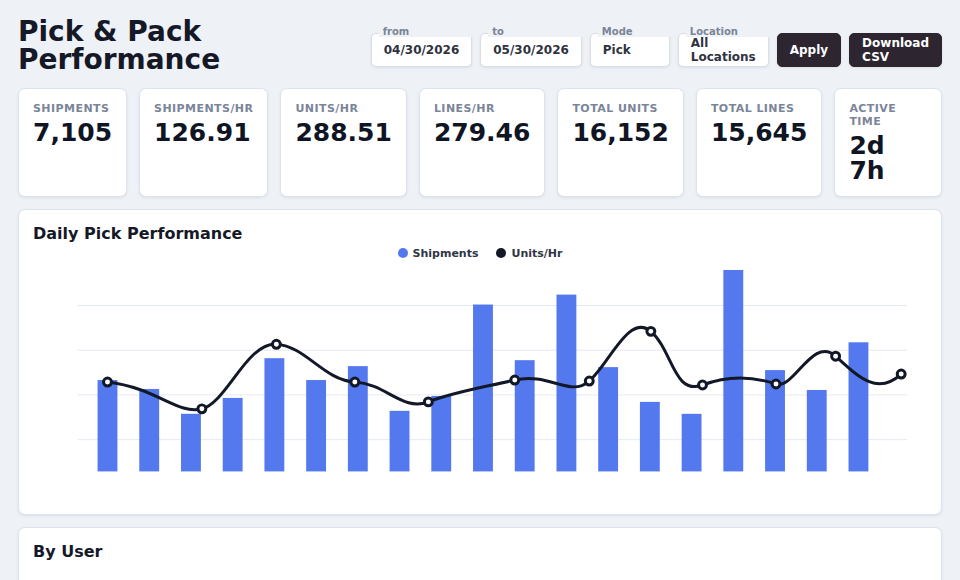
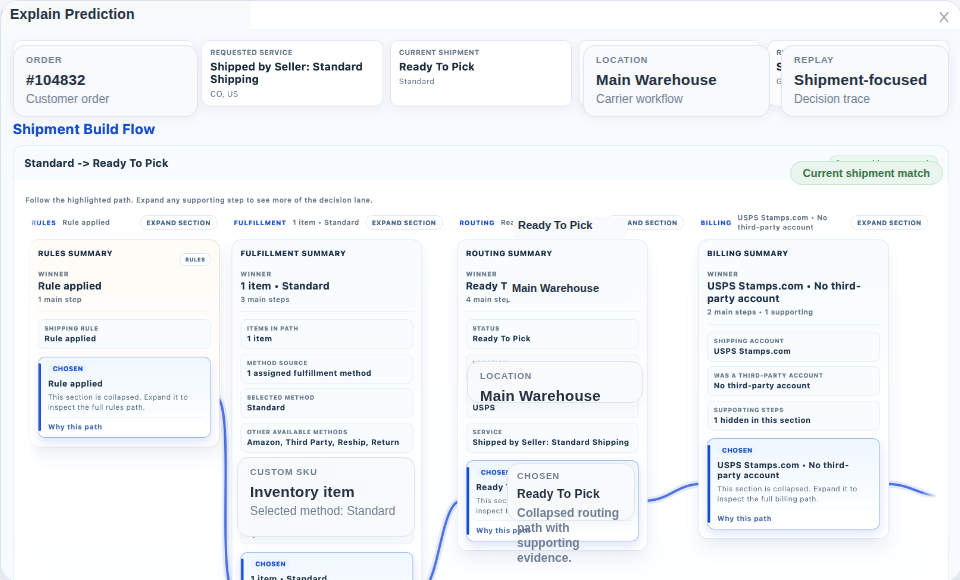
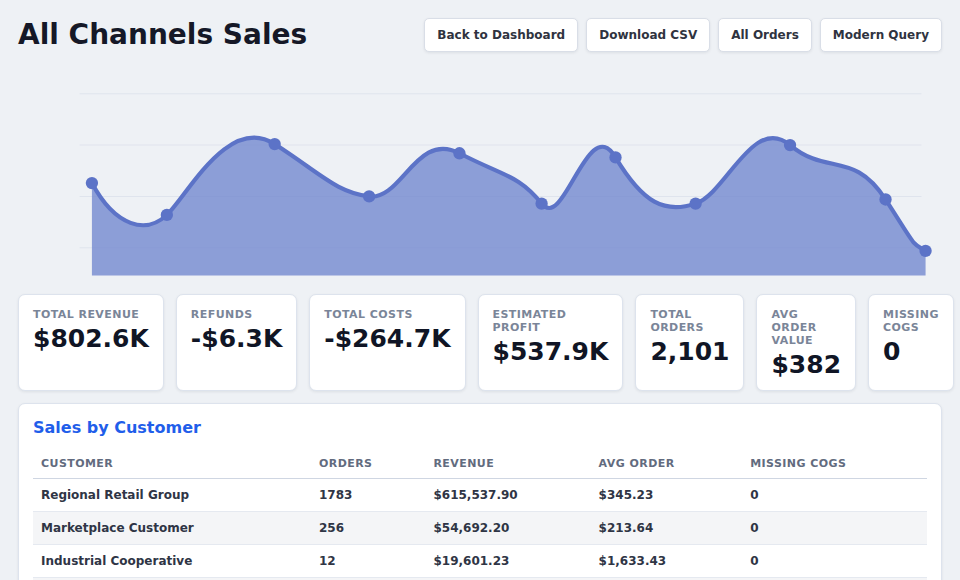
Modules matter, but the real leverage comes from the services underneath them: rules, state, jobs, documents, native app hooks, integrations, audit trails, reporting, and support context.
Statuses, queues, holds, approvals, ownership, review points, and exception paths stay attached to the records being worked.
Customer rules, carrier rules, packer configuration, document requirements, billing behavior, and tenant-specific automation.
Scheduled work, event hooks, confirmations, imports, exports, retries, alerts, and background automation keep follow-up moving.
Labels, BOLs, packing slips, invoices, reports, partner files, EDI documents, emails, local desktop printing, and operational exports.
Reports, task history, integration requests, shipment state, inventory movement, user action, and exception trails remain inspectable.
Request triage, task routing, context gathering, run summaries, QA review, response drafting, and workflow delivery support.
The platform starts with real WMS and operations capability, then gives the business room to adapt workflows that are strategic, unusual, or too costly to keep manual.